

Most homeowners don’t think about the health of their trees until visible signs of decline appear—thinning leaves, peeling bark, fungal growth, dead branches, or a leaning trunk. By the time these symptoms show, however, the underlying issue has often been developing for months, or even years, making treatment more complex and costly.
Unlike lawns or flower beds, trees can hide early signs of stress until their natural defense systems become overwhelmed. This makes problems much harder to prevent without a trained eye. That’s why Forest Glenn Arborists focus on something many homeowners have never heard of: Plant Health Care.
What Is Plant Health Care (PHC)?
Plant Health Care is a science-based, proactive approach to maintaining the health of trees and shrubs. Instead of reacting to visible decline, it involves routine monitoring to identify stress early, improve growing conditions, and address issues such as insects, disease, drought, and soil conditions before they cause significant damage. The goal is to support more resilient trees and preserve the long-term beauty of your landscape.
Not every arborist or tree service company offers dedicated Plant Health Care programs. At Forest Glenn Arborists, our Plant Health Care technicians receive specialized training and ongoing education to accurately identify health concerns, diagnose common diseases, and recommend the most effective course of action based on each tree’s specific needs.
Whether your tree is flourishing or showing signs of decline, you can better protect your property by implementing a Plant Health Care evaluation and program.
Why Plant Health Care Matters
Healthy trees do more than enhance the appearance of your landscape. They provide lasting environmental, financial, and property benefits for homeowners, including:
- Stronger natural resistance to insects and disease.
- Lower long-term costs through early intervention.
- Greater property value through healthier, more attractive landscapes.
- Reduced environmental impact by limiting unnecessary treatments.
- Improved structural stability through stronger root systems.
- Lower energy costs by providing shade and wind protection that can save 30% on air conditioning and 20-50% on heating (Arbor Day Foundation).
The healthier your trees are, the better they can withstand changing environmental conditions and continue providing value to your property year after year.
What Does a Plant Health Care Program Include?
Much like routine medical checkups help identify health concerns and enable informed decisions before they become serious, Plant Health Care begins with an evaluation of the tree’s complete living system. It assesses factors such as:
- Overall canopy health and new growth.
- The trunk, branches, and roots.
- Soil health (nutrients, pH, and compaction).
- Signs of insects, disease, or fungi.
- Environmental stress factors, such as drought, construction, or storms
Based on the evaluation, our PHC technician develops recommendations tailored to your property. Depending on the tree’s condition, this may include soil improvements, nutrient applications, pest or disease treatments, ongoing monitoring, or simply continued observation if the tree is healthy.
Tree care is not one-size-fits-all. Two trees of the same species can respond very differently to treatment, which is why our PHC program ensures decisions are based on real conditions, rather than routine treatment cycles.
When treatment is necessary, Forest Glenn Arborists prioritize environmentally responsible solutions and minimize unnecessary product use wherever possible.
When to Schedule a Tree Health Evaluation
You can schedule a tree health evaluation at any time, but summer is one of the best times in the Northeast, as active growth makes it easier to identify early signs of stress and insect activity.
Consider a Plant Health Care evaluation if you notice:
- Leaves that are smaller, discolored, or dropping early.
- Dead or declining branches.
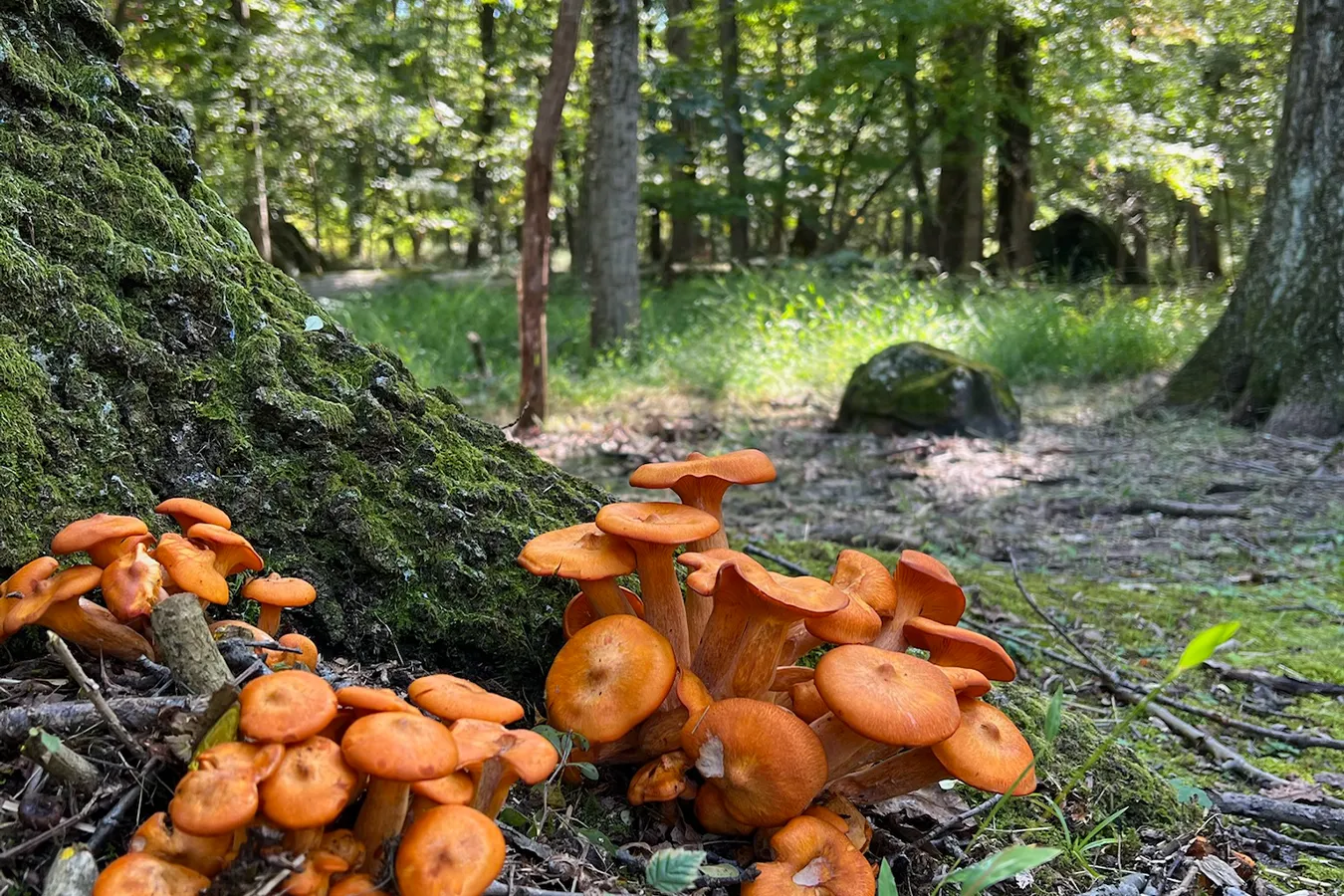
- Fungal growth around the trunk or roots.
- Signs of insect activity.
- Construction work near mature trees.
- Storm damage.
- Mature trees that haven’t been professionally evaluated in several years.
Even healthy-looking trees can have hidden stress that is not visible from the ground.
Healthy Trees Start with Proactive Care
Trees are among the most valuable long-term assets on a property. They provide shade, structure, environmental benefits, and measurable property value, but only when they remain healthy.
Plant Health Care provides homeowners with a structured way to assess tree health before problems arise. Through regular evaluation, early detection, and informed recommendations, it helps protect trees for the long term.
At Forest Glenn Arborists, our focus is simple: help property owners make informed decisions that support healthier, safer, and longer-lasting landscapes.
Schedule a Plant Health Care evaluation to understand your trees’ health better and address potential issues early.